KUR
Traditional handmade lace - contemporary clothing
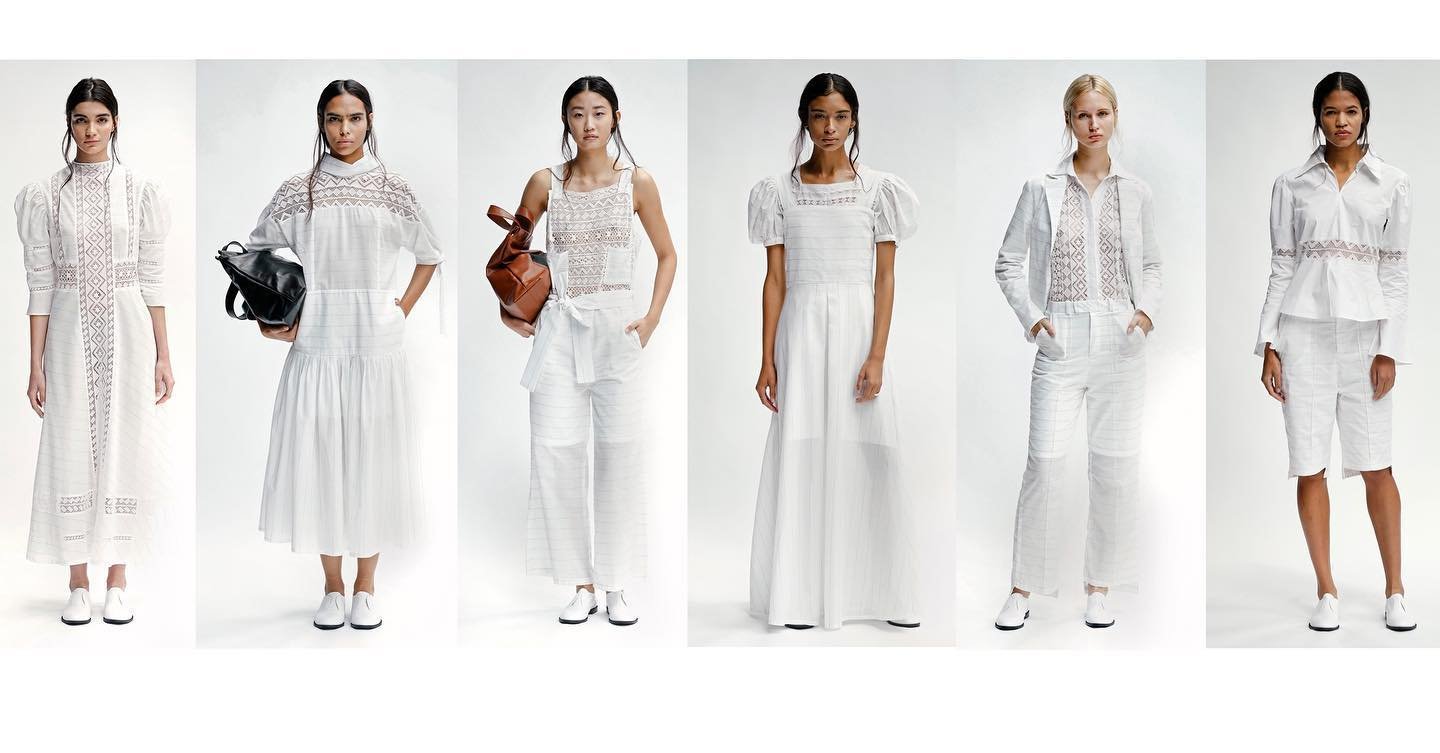
Founded in 2009 by Kasuni Rathnasuriya, KUR is a small designer brand that works with the tradition of handmade bobbin lace, known as Beeralu lace in Sri Lanka. The tradition is not indigenous to the island but was introduced by the Portuguese in the 15th century. As a product of colonialism adopted by local women, the lace was used as a means of decorating local dress styles and has since become synonymous with the southern coastal region of the island where European settlers first landed.
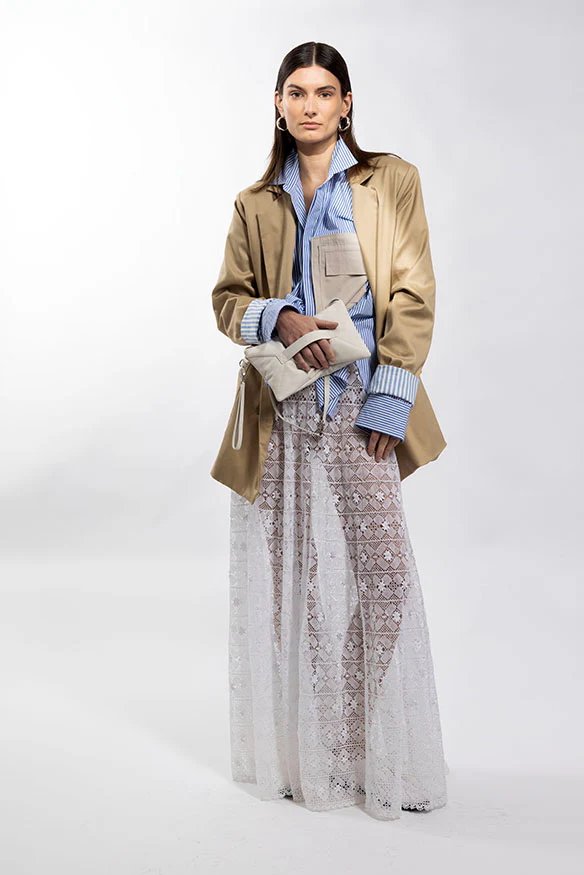
KUR’s collection utilizes handmade lace in traditional patterns across the majority of the collection. While the collection is decidedly contemporary and aimed at a Western fashion forward customer, the lace used is entirely traditional. Designs embellished with handmade lace inevitably have a boudoir aesthetic, eliciting the softness of glimpsed diaphanous lingerie and nightwear. Kasuni’s collection, however, transcends the usual ethereal lingerie references, revolving around crisp white cotton shirts and dresses, made from men’s pinstripe shirting and tufted Swiss cotton with the lace inserted in panels and stripes, used as a trim, or stitched together to make up the entirety of the garment.
Initially attracted by the beauty of the local handmade lace where she grew up, Rathnasuriya remembers when every household in the Galle Fort region would own a household item made from Beeralu lace, and everyone’s grandmother used to practice the craft. Rathnasuriya’s original motivation to use the lace for her collection was not borne out of an altruistic desire to help revive a dying craft tradition, it use was simply to differentiate her product in the marketplace.
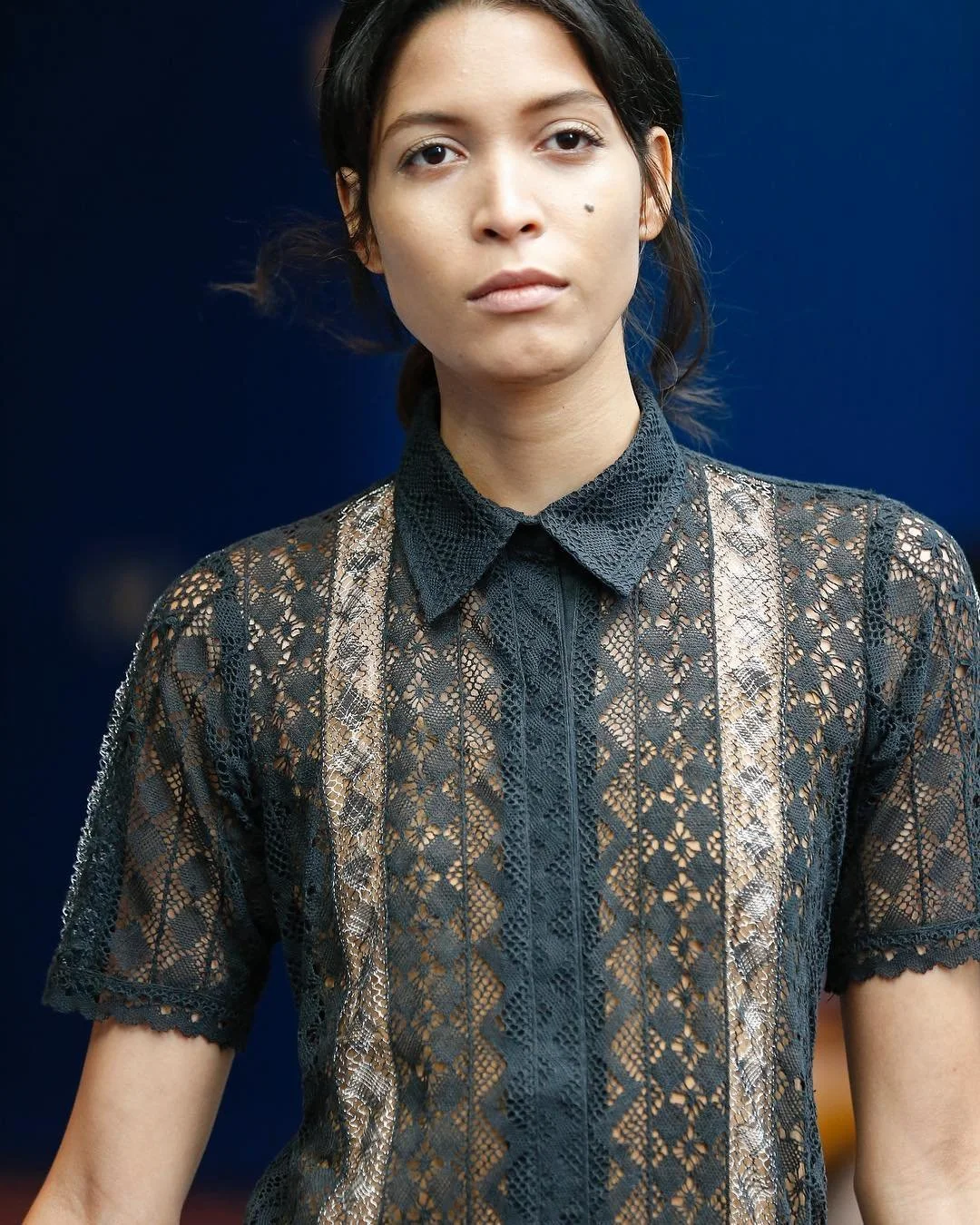
Although KUR did not start with a mission to support the retention of traditional handmade lace, its retention has developed into a major motivator, with Rathnasuriya now seeing her role as helping to sustain the craft through her ongoing commitment to use it in every collection. Starting the collection with the lace awoke a sense of pride and identity in Rathnasuriya that has ultimately become the brand identity, with the constant inclusion of it in her designs, helping in some small way to support its retention.
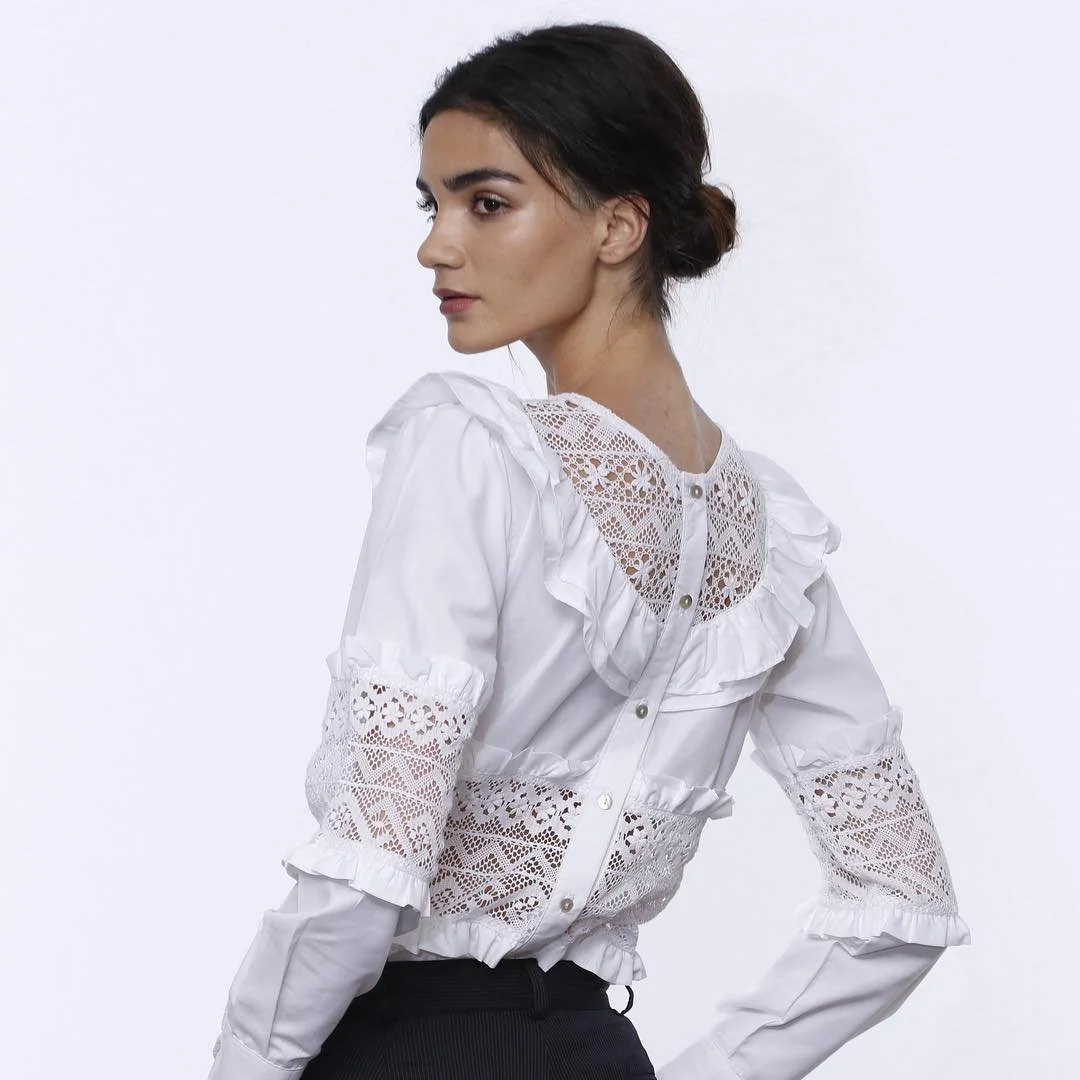
It is important for Rathnasuriya to adhere to the traditional weight, thickness and color of the thread used to achieve an authentic product. Reasoning for that any modification would “damage the history of the lace”, she prefers not to experiment with the tradition, strictly adhering to the history, only producing lace in traditional white and black. She sees the lace’s introduction to Sri Lanka through colonialism as part of the region’s rich history, specific to the small coastal region of the Galle Fort where the Portuguese and then the Dutch first landed. However, like so many other traditions around the world, Beeralu lace is “on the verge of extinction, while simultaneously it is the only source of income for some women”.
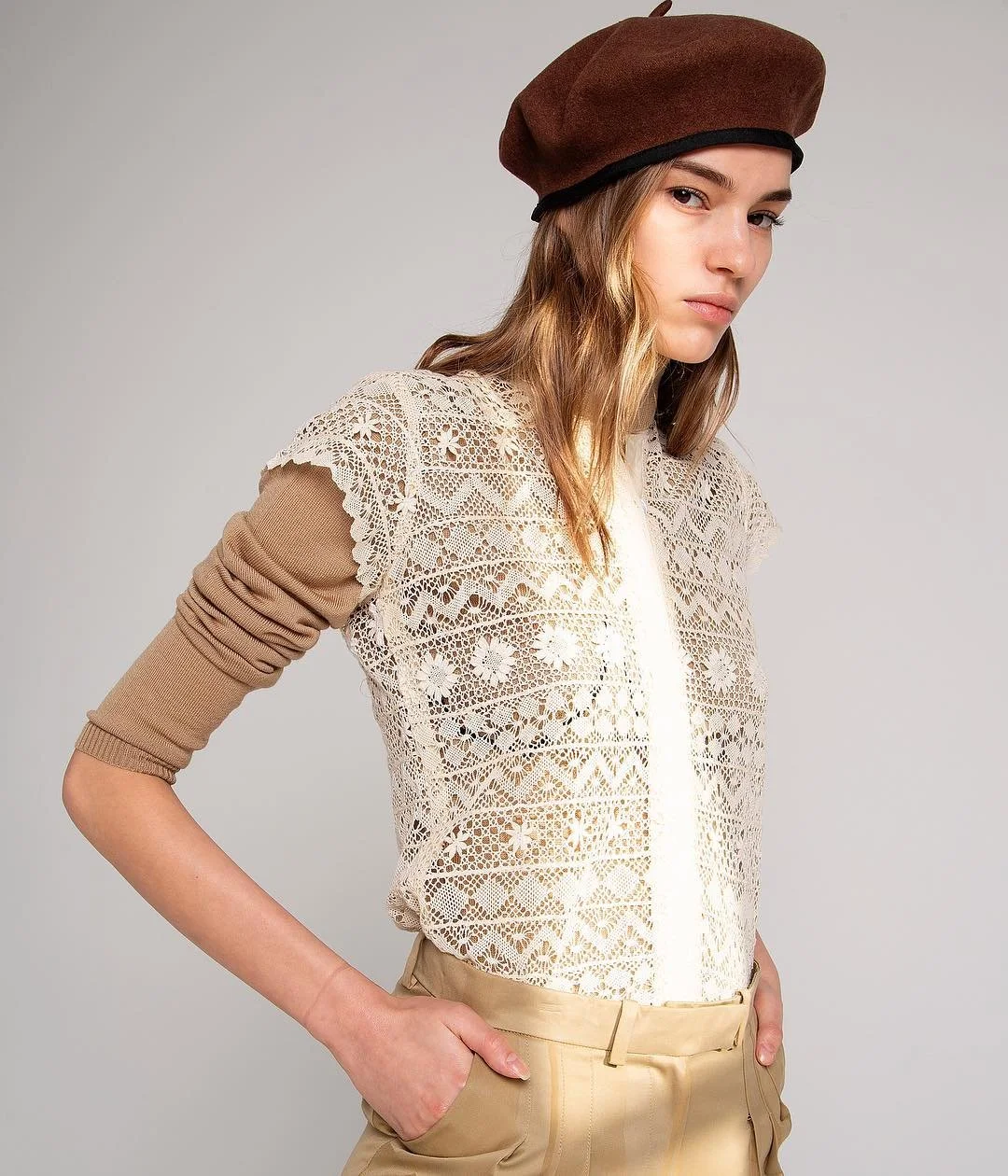
The long-term sustainment of this tradition cannot lie with just a few designers, no matter how committed, but requires the expansion of the supply chain, as well as the interest in training the next generation. As with many traditional crafts however, there is scant interest from the young in learn. This is a global story, with traditional means of employment being rejected by the younger generation who see the lure of city life and work as far more desirable.
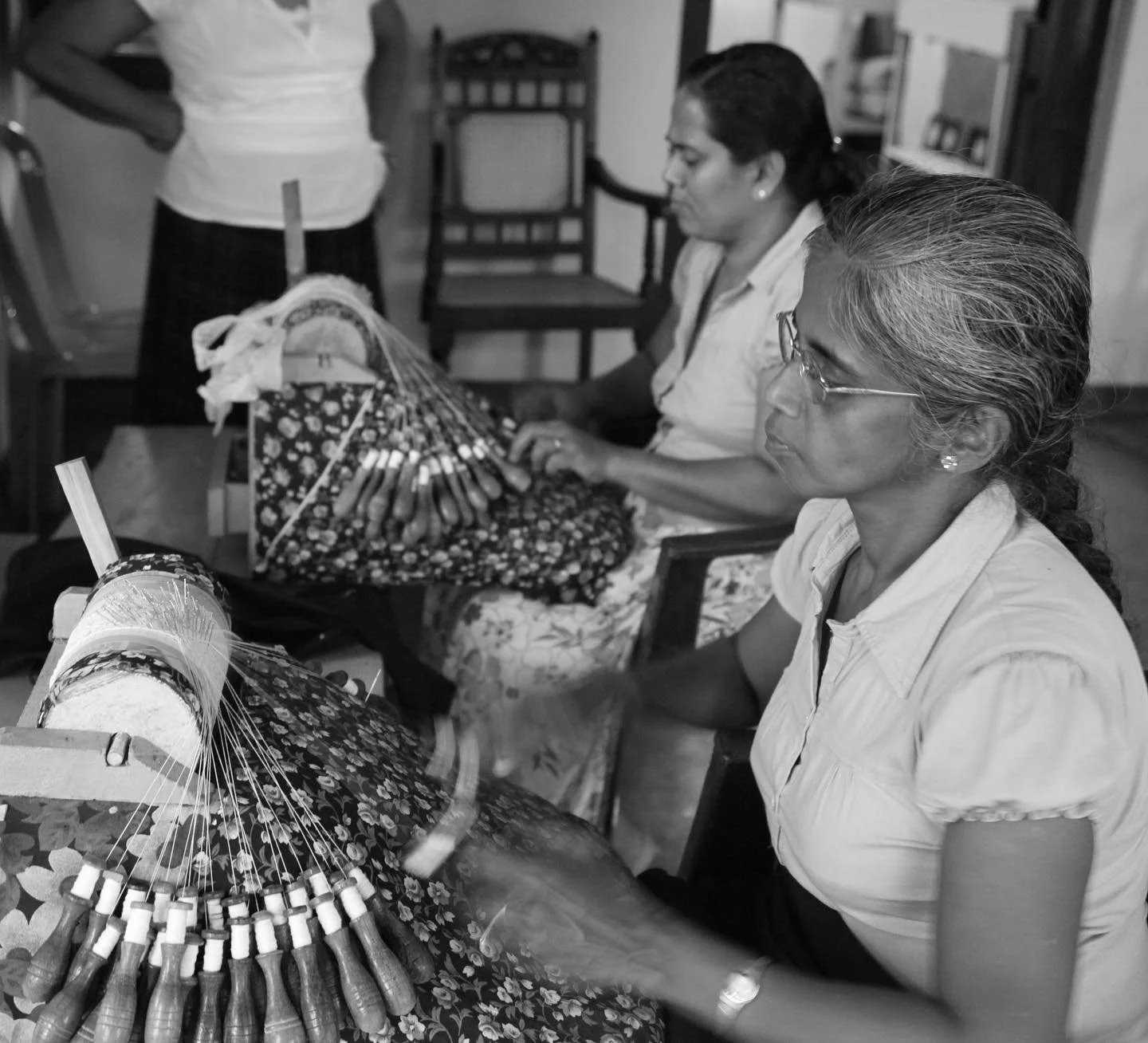
Rathnasuriya contracts the lace making for her collection through the Dickwella Lace Centre, whose mission is to support traditional lace makers in the region and inspire the development of new lace designs and products. The Centre teaches lace making, design and basic business skills to local women, and acts as the go between for small brands and individuals looking to purchase or commission the handmade lace.
The Centre was established as a response to the 2004 tsunami, which claimed over 35,000 lives, many in the South and East of the island. The Galle region lost more than 4,000 people, resulting in the near destruction of the Beeralu lace tradition, which the Dickwella Lace Centre is working to combat by working with some of the poorest women in the coastal villages, training and improving their lace making skills as well as providing opportunities to market and sell their products.
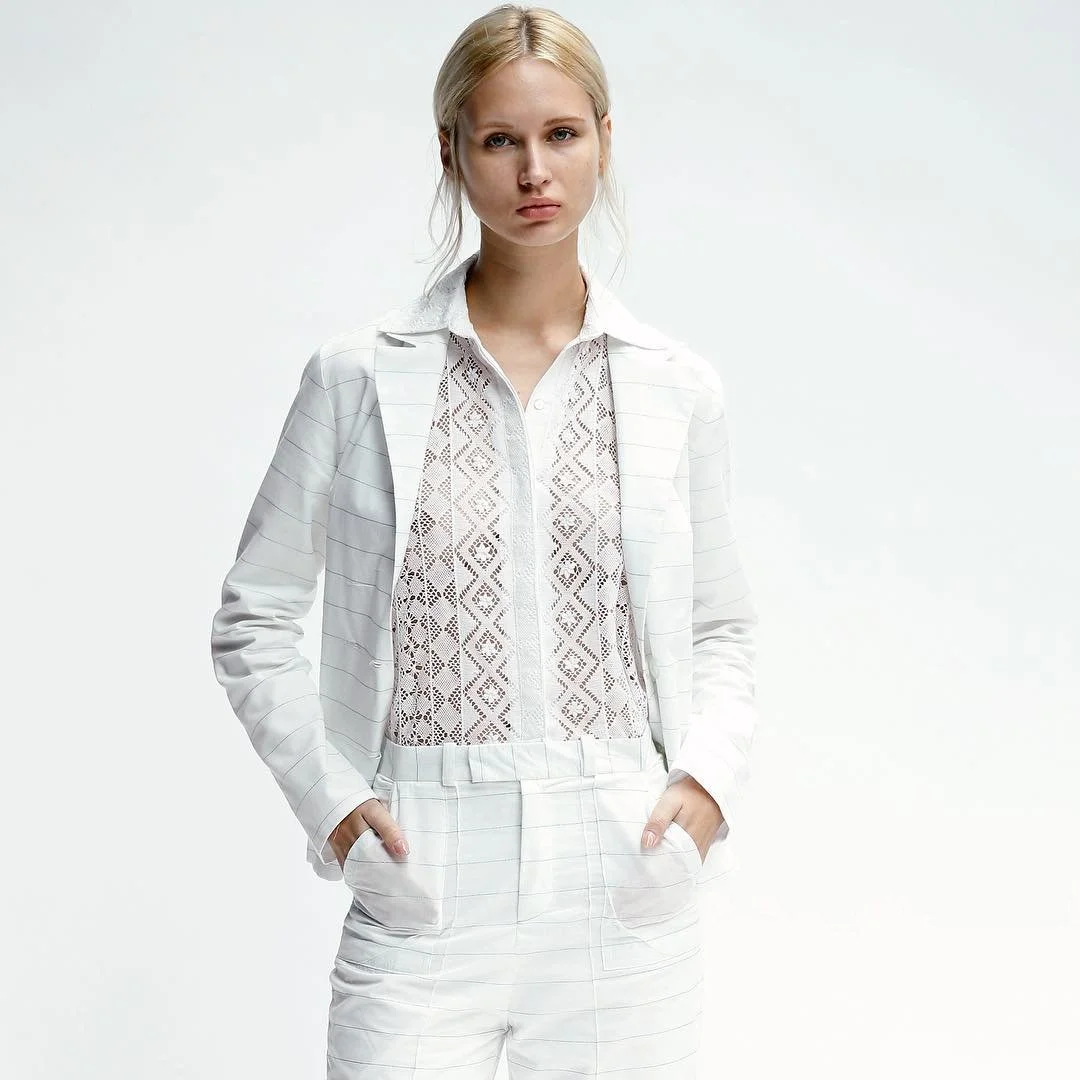
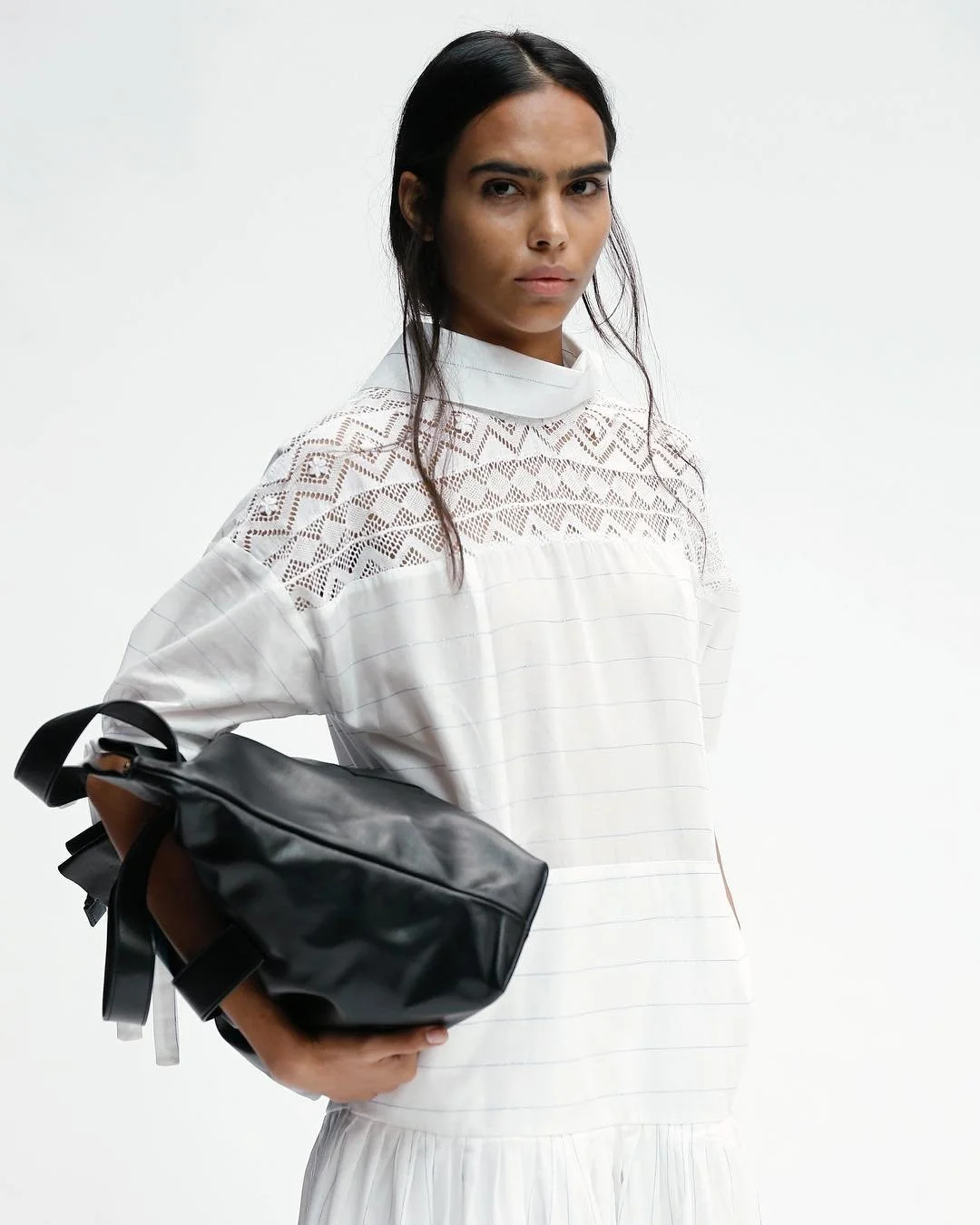
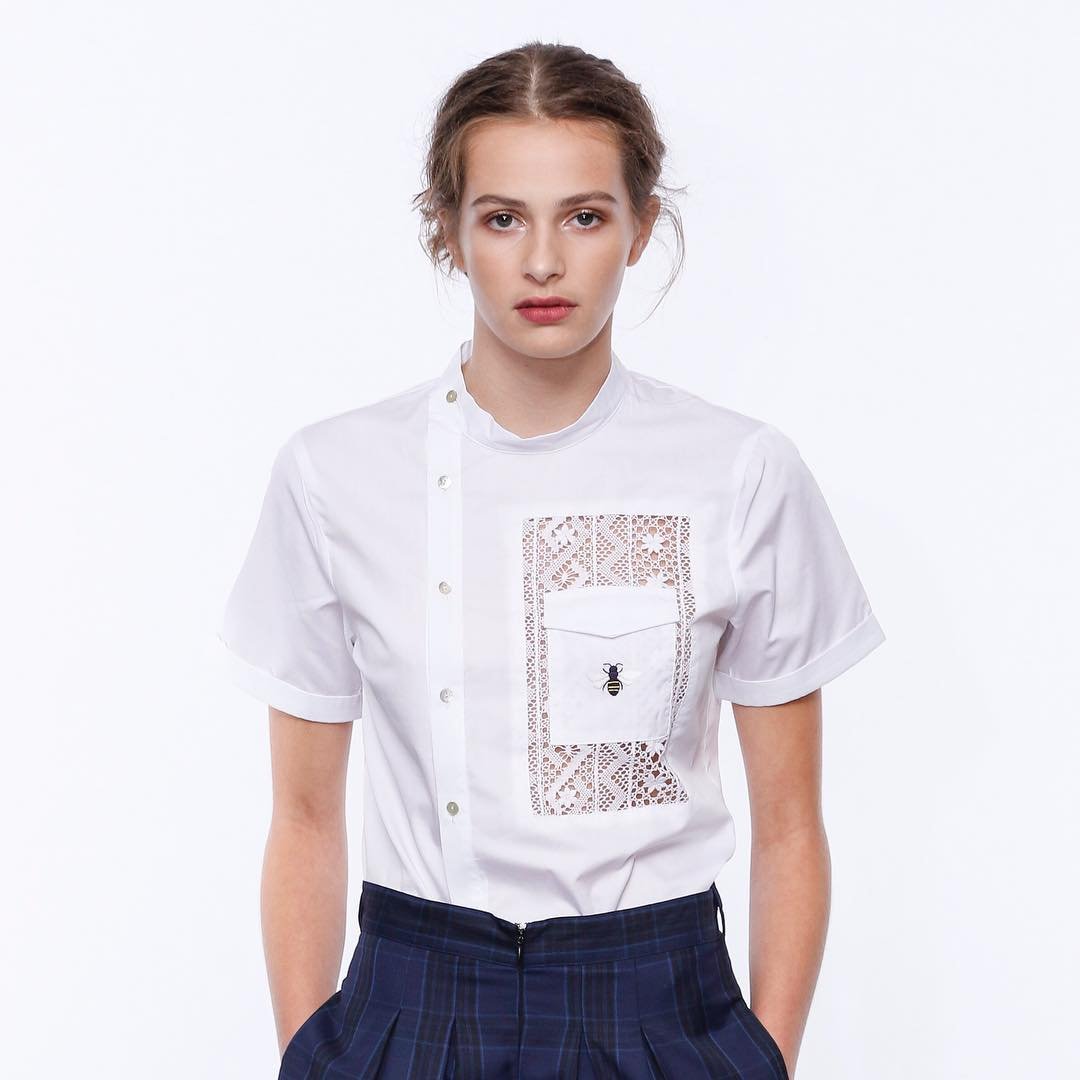
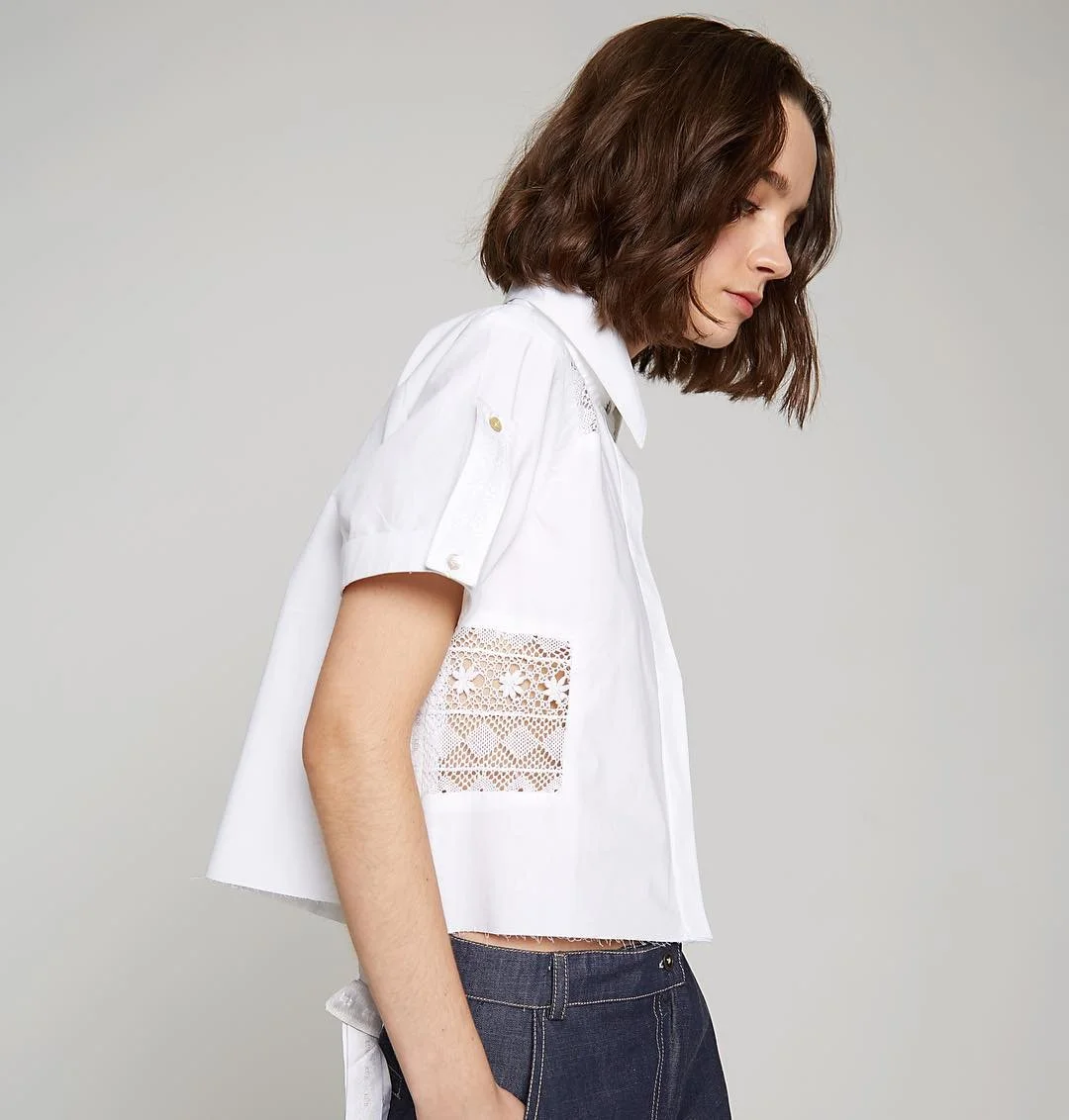
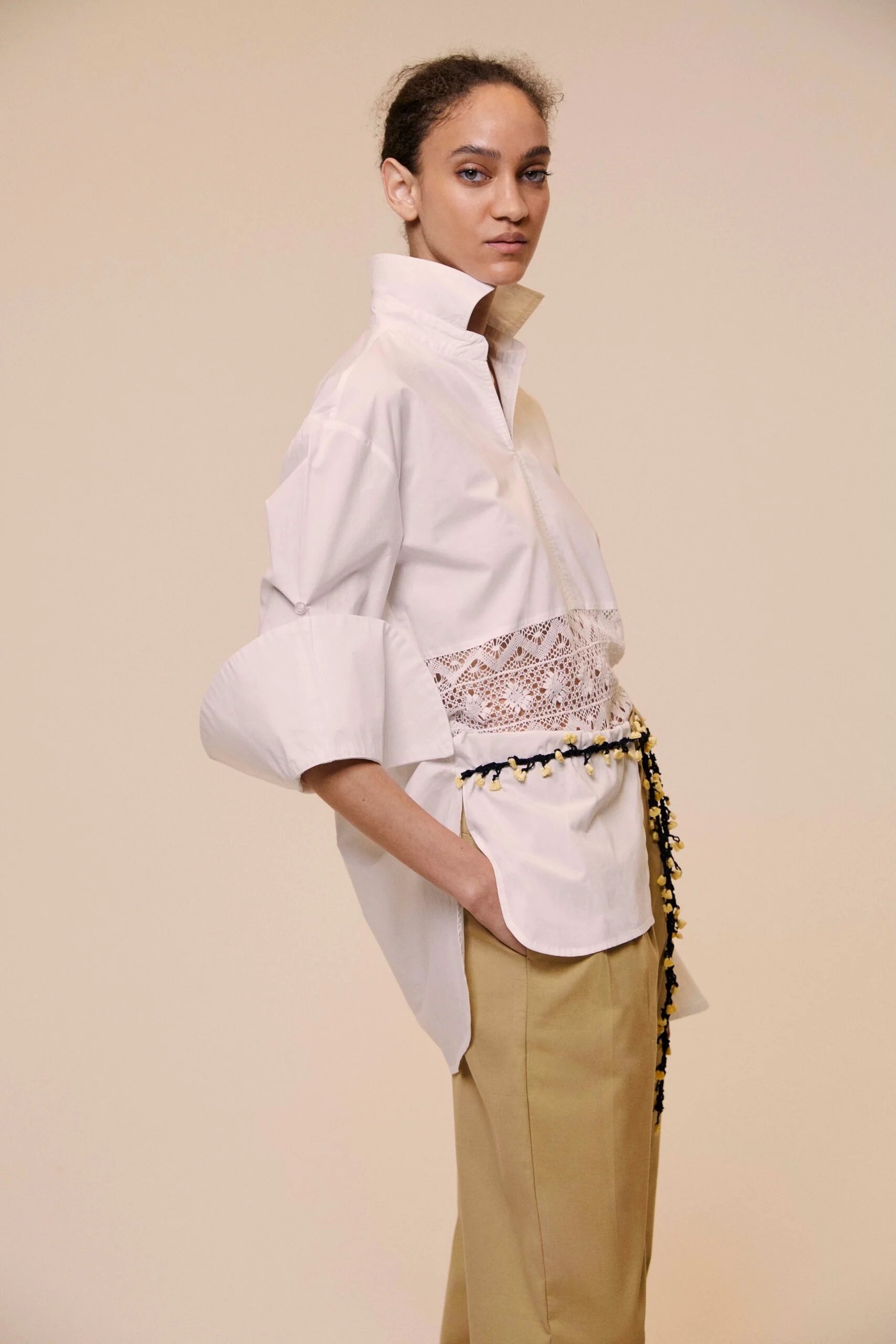
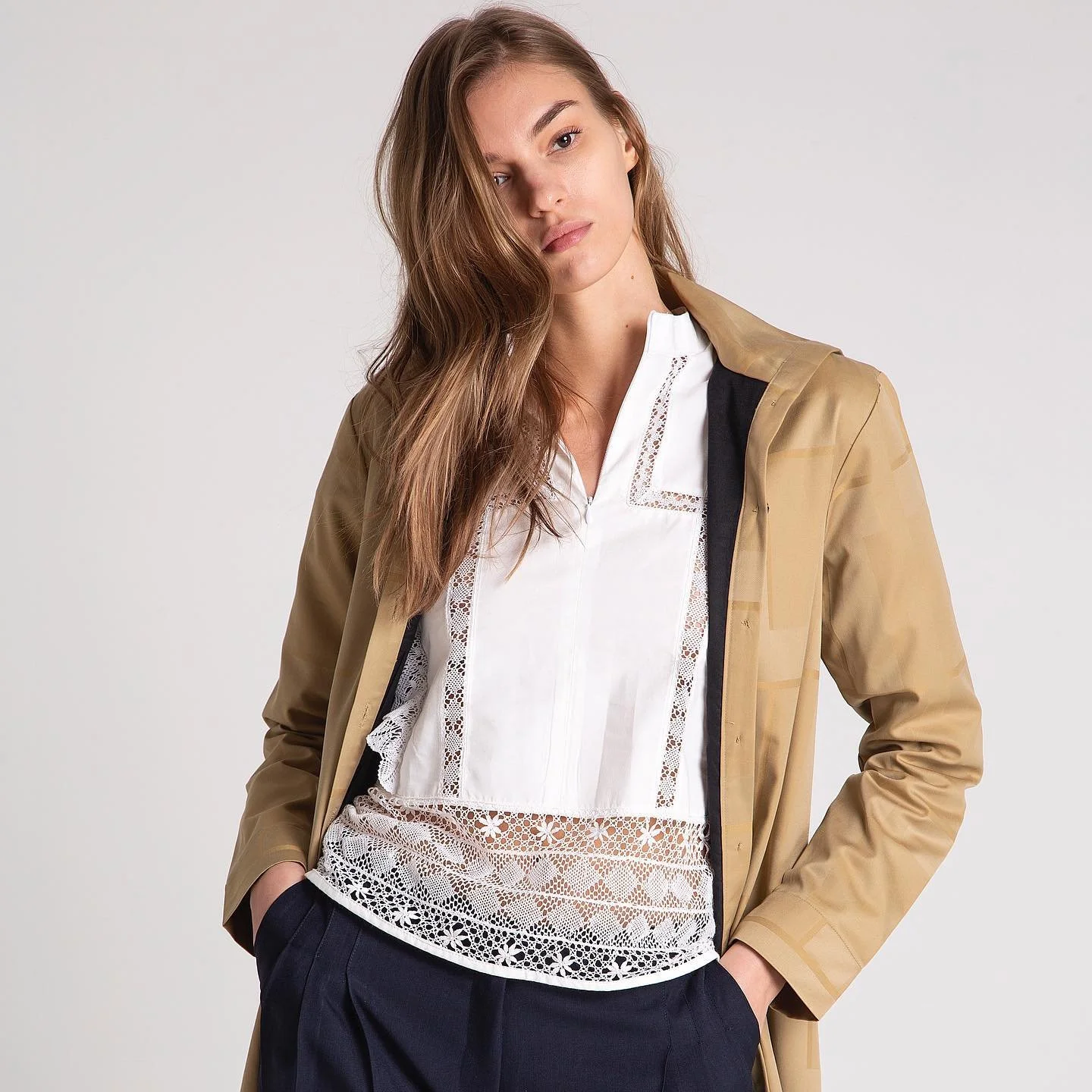
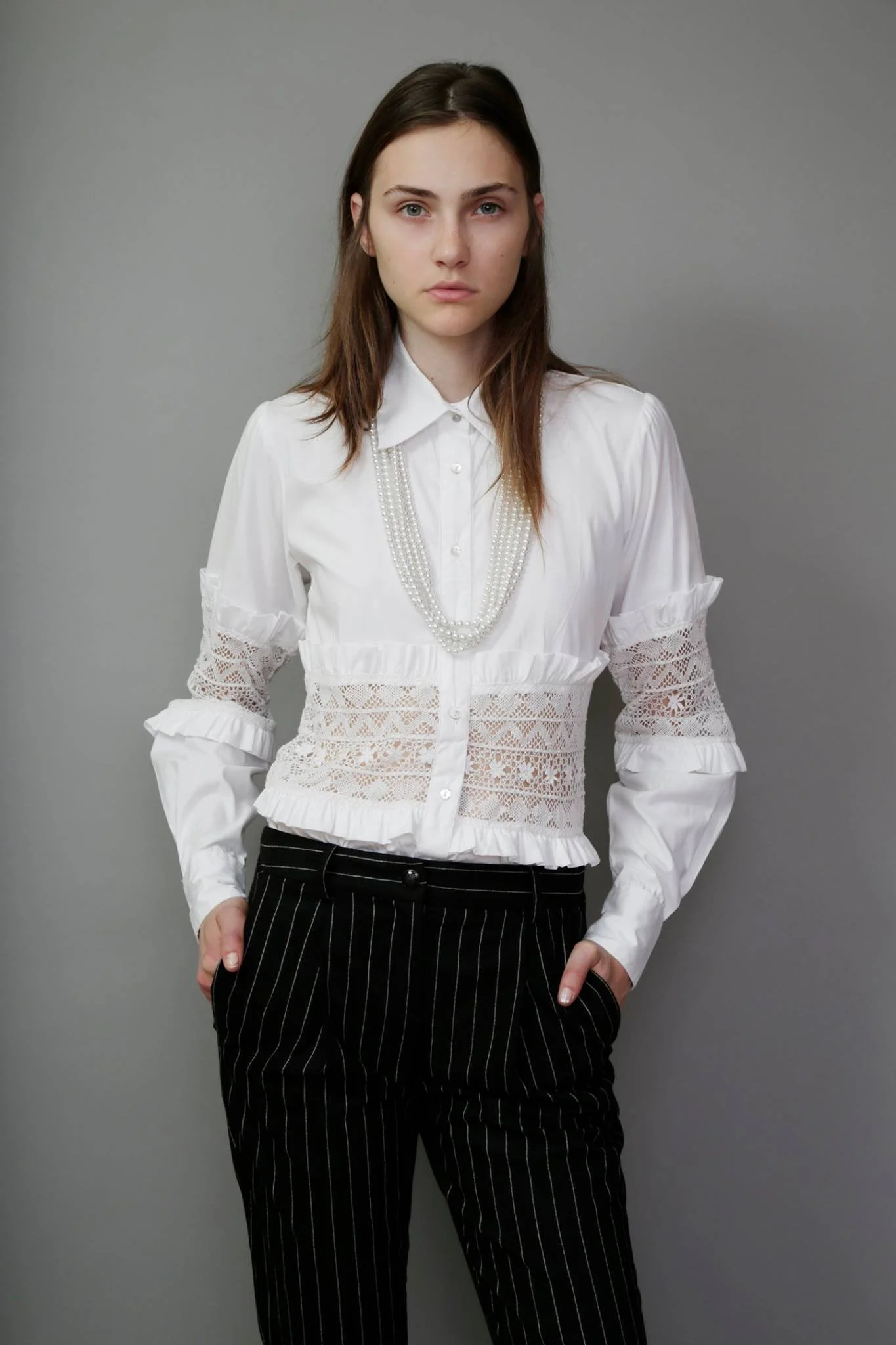
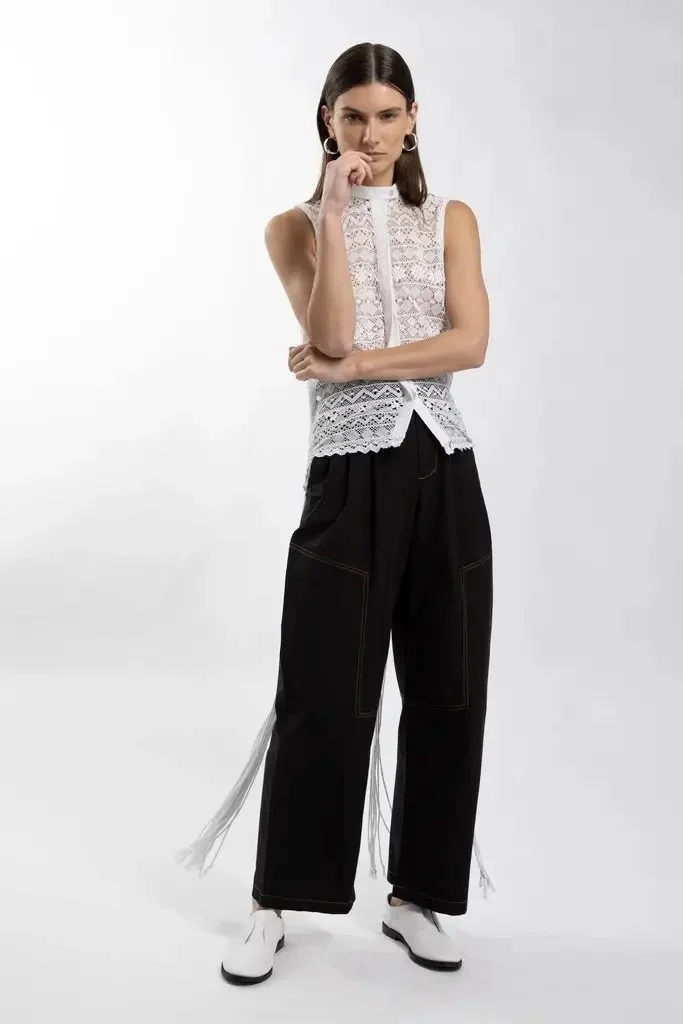
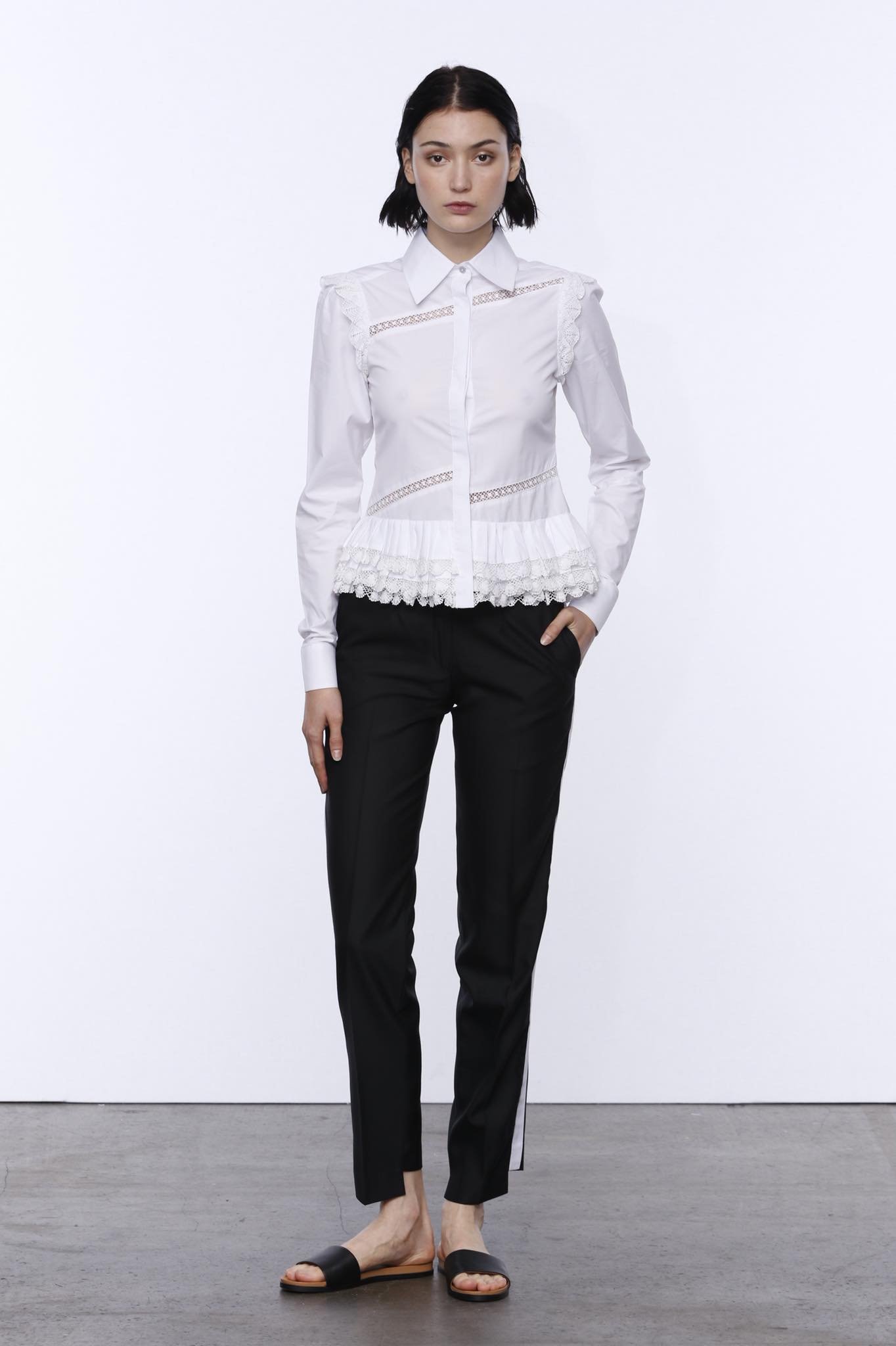
Inevitably the lead-time for lace production is slow, with the most experienced artisans only able to produce a meter of lace in a day. With multiple pieces in KUR’s collection entirely made from Beeralu lace, this makes for very slow production timelines. Rathnasuriya does not negotiate lace prices, whatever price is set, is the price she pays. This of course means that items retail at a premium price point, to a consumer who understands and appreciates the workmanship involved.
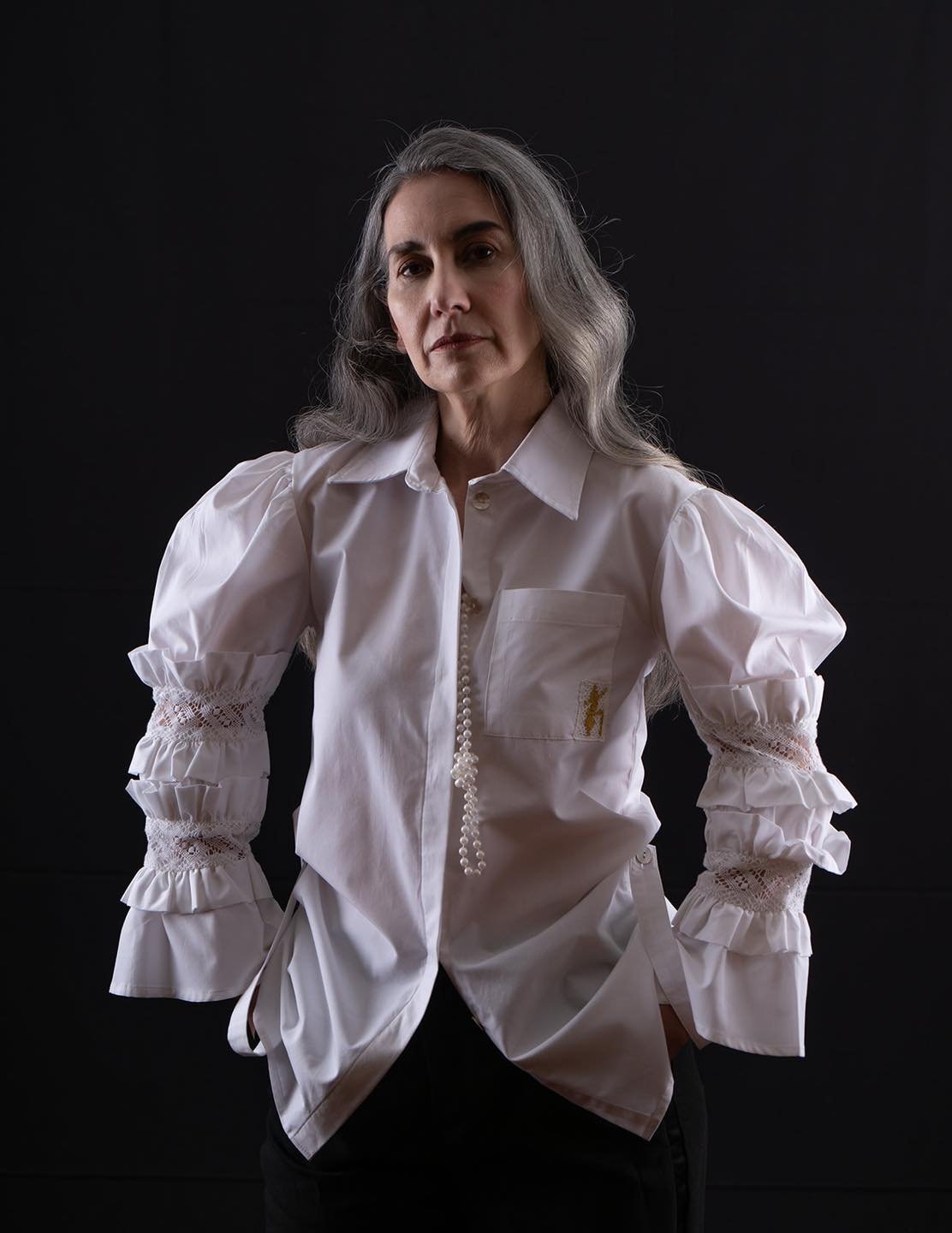
Rathnasuriya has been the recipient of several awards, winning the British Council Young Fashion Entrepreneur award in 2011, a semi-finalist in the Ethical Fashion Award from Marks and Spencer and has presented her collection at the Sri Lanka Deign Festival and HSBC’s Colombo Fashion Week. She runs a residency out of her New York studio store, shows the collection during New York Fashion Week and is currently part of Nordstrom Space.
This article draws on the following articles:
Dissanayaka, N., 2017. Beeralu Craft, Facing a Disappointing Future [online]. Sri Lanka, Daily Mirror. Available from: http://www.dailymirror.lk/article/Beeralu-craft-facing-a-disappointing-future-129321.html
Hays, J (2008). Great Tsunami of December 2004 in Sri Lanka: Damage, Eyewitness Accounts and Rebuilding the Economy. Washington, DC, Facts and Details. Available from: http://factsanddetails.com/asian/cat63/sub411/item2545.html
Responsible Tourism Partnership Sri Lanka, 2015. Dickwella Lace Centre [online]. Sri Lanka, Responsible Tourism Partnershipp Sri Lanka. Available from: http://www.rtplk.com/rtp-projects/dikwella-lace-center-project-sri-lanka.html 2015.
For more information about KUR Collection’s work:
Website: https://www.kurcollection.com/
Instagram: KURnewyork
TIkTOk: KURnewyork
Facebook: @KURcollection
