Charting a different way for fashion, textiles, and making
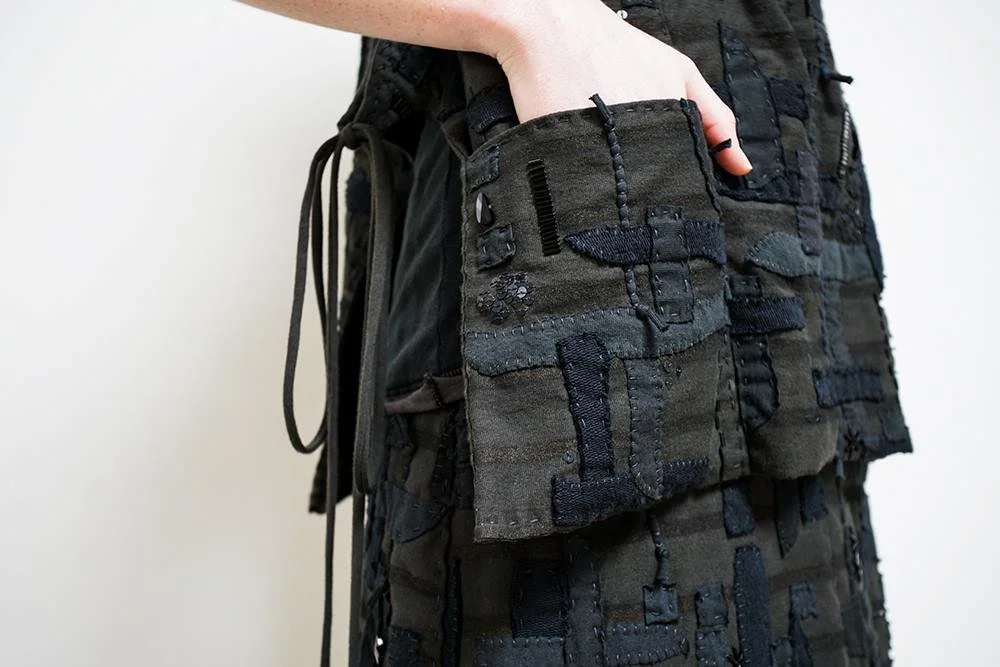
Alabama Chanin is the perfect embodiment of a place-based designer, not just embedded in her community, a product of its culture and heritage, but an expression of it. Crafted in Florence, Alabama, the brand capitalises on the rich history of cotton growing in the region and the hand crafts that developed around the utilisation of the material. The name itself is an amalgam of the founder’s name – Natalie Chanin and Alabama, the place that gave birth to the brand.
The motivation behind Alabama Chanin is to sustain artisanal craft, preserve textile traditions, support localised supply chains, and strengthen the connection between makers, materials, and place. Committed to sustainable design, they produce every piece to the highest ethically standards possible. The design teams of artisans, makers, writers, artists, hand-embroiderers, and creators make thoughtfully, with honesty, pride, and commitment to people and planet.
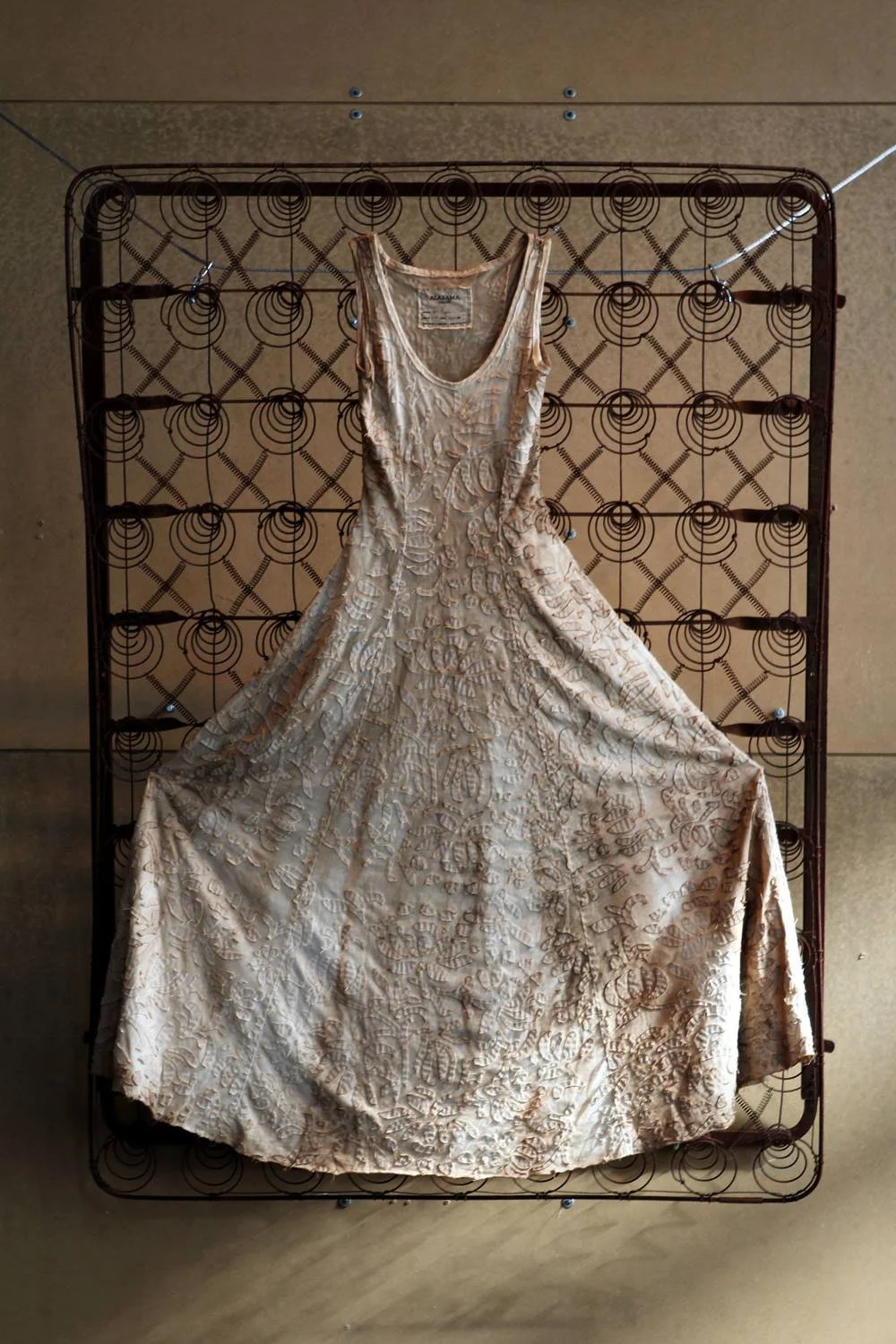
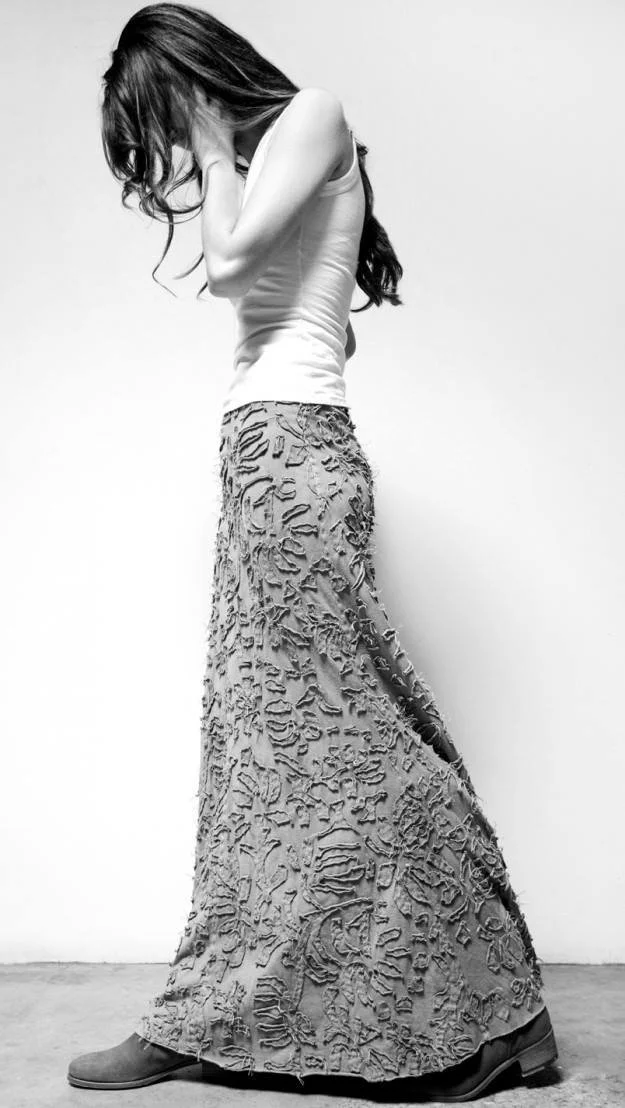
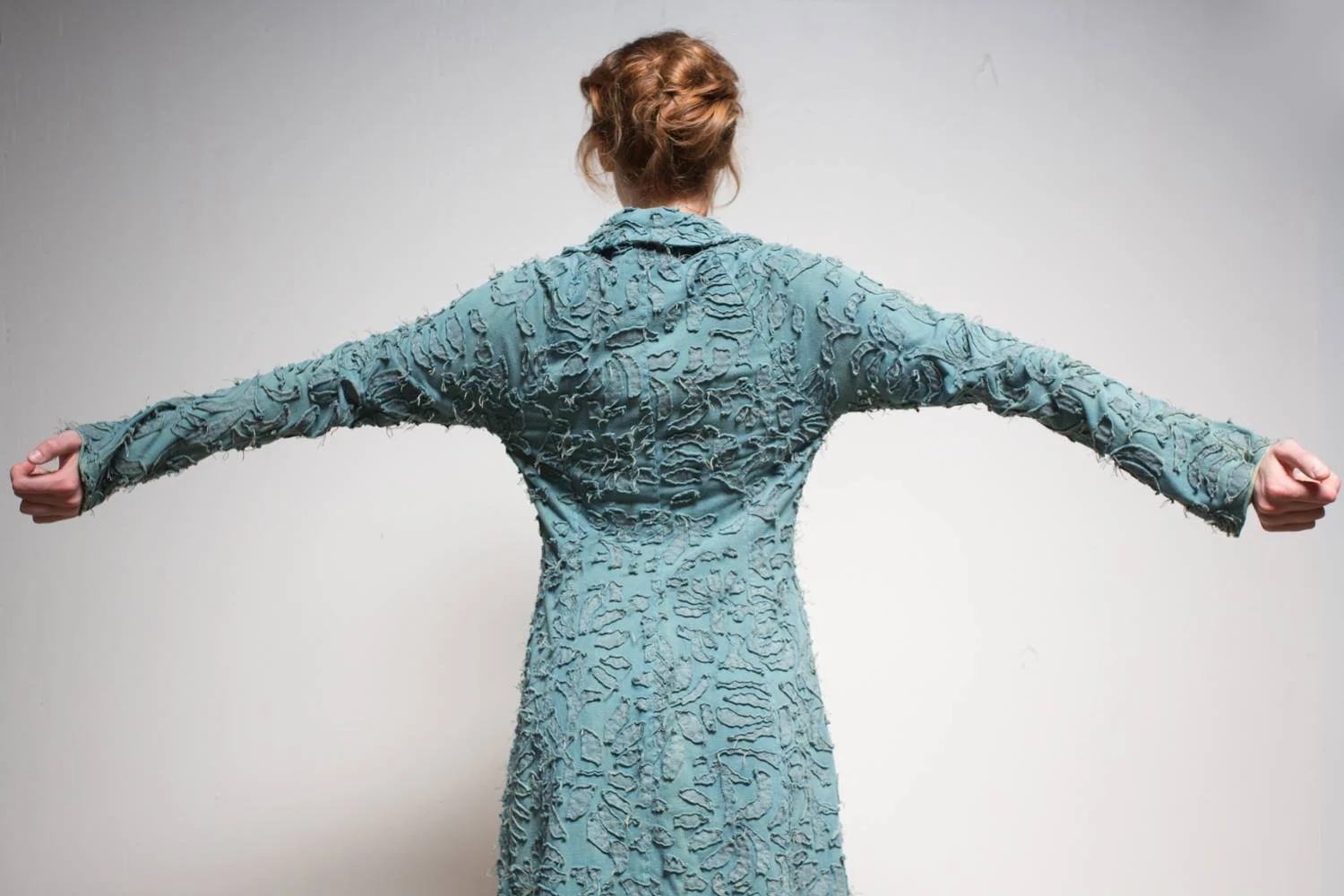
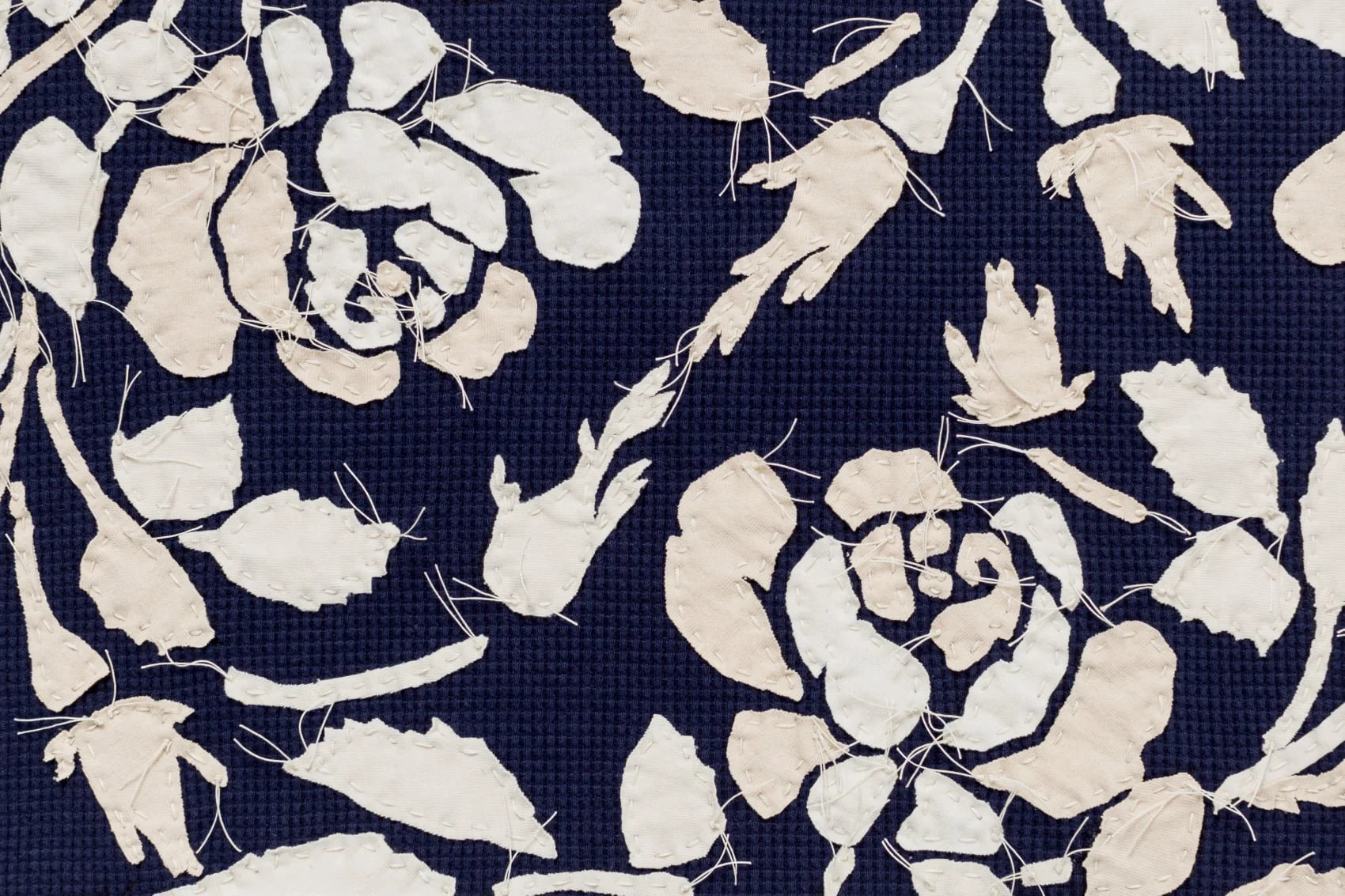
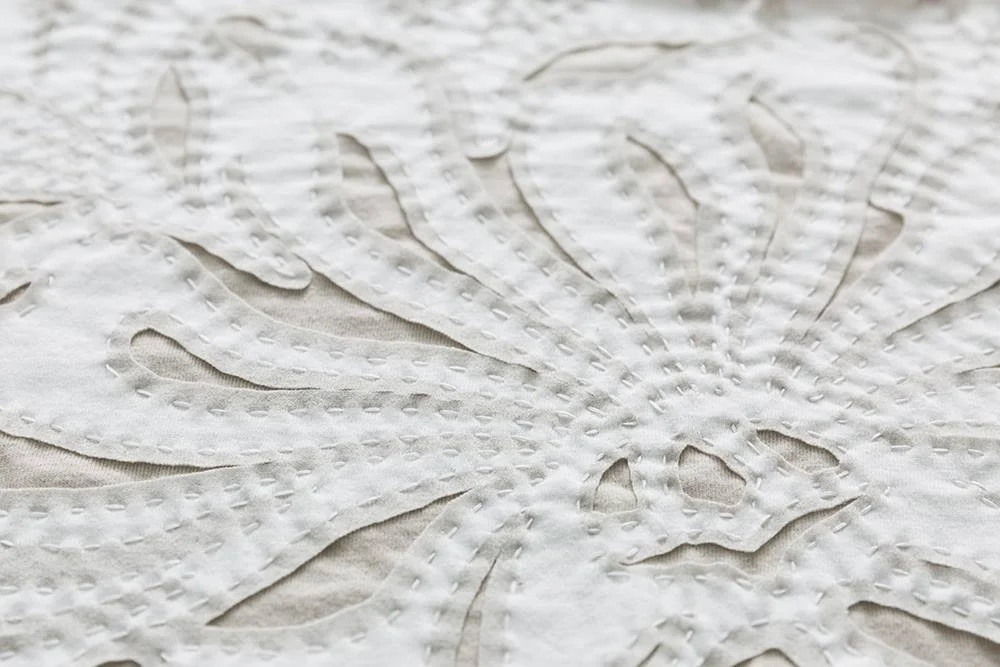
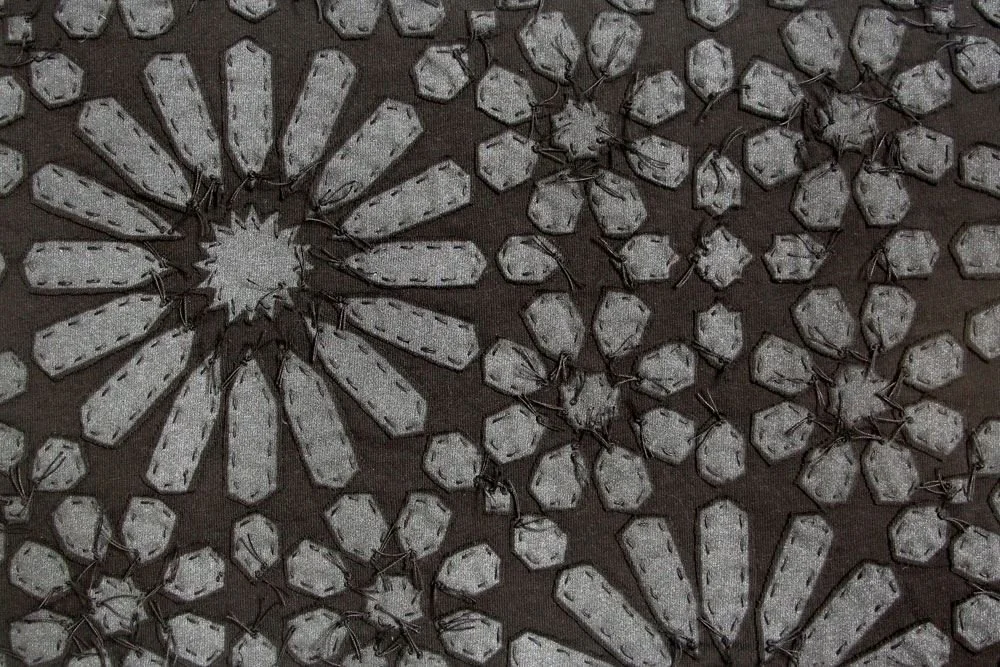
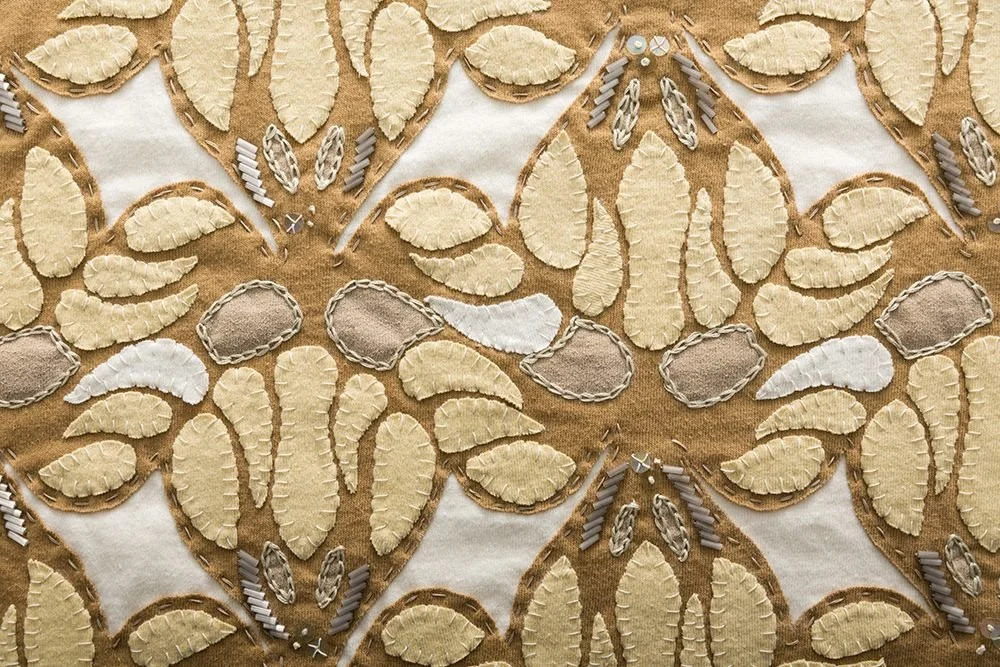
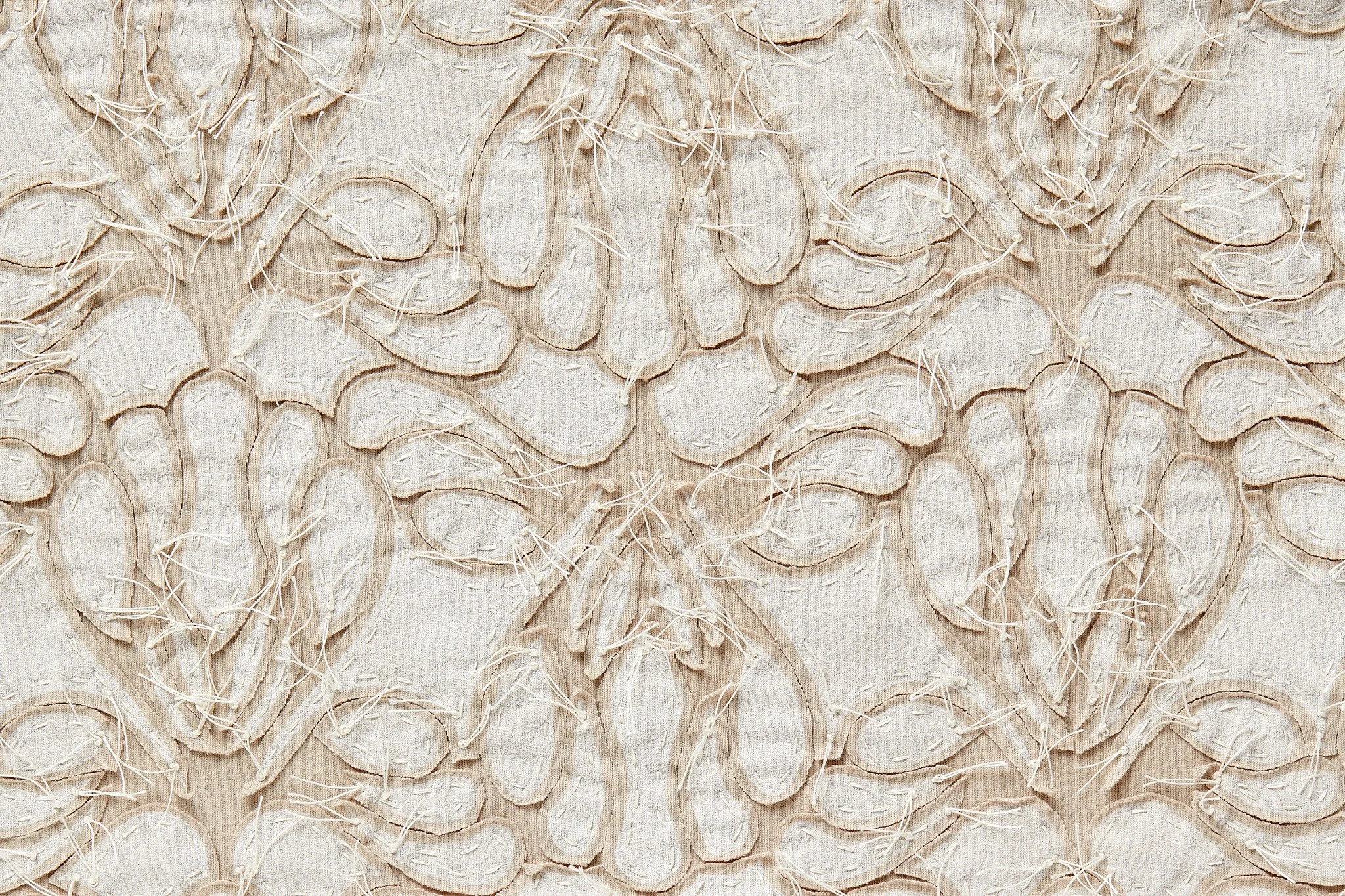
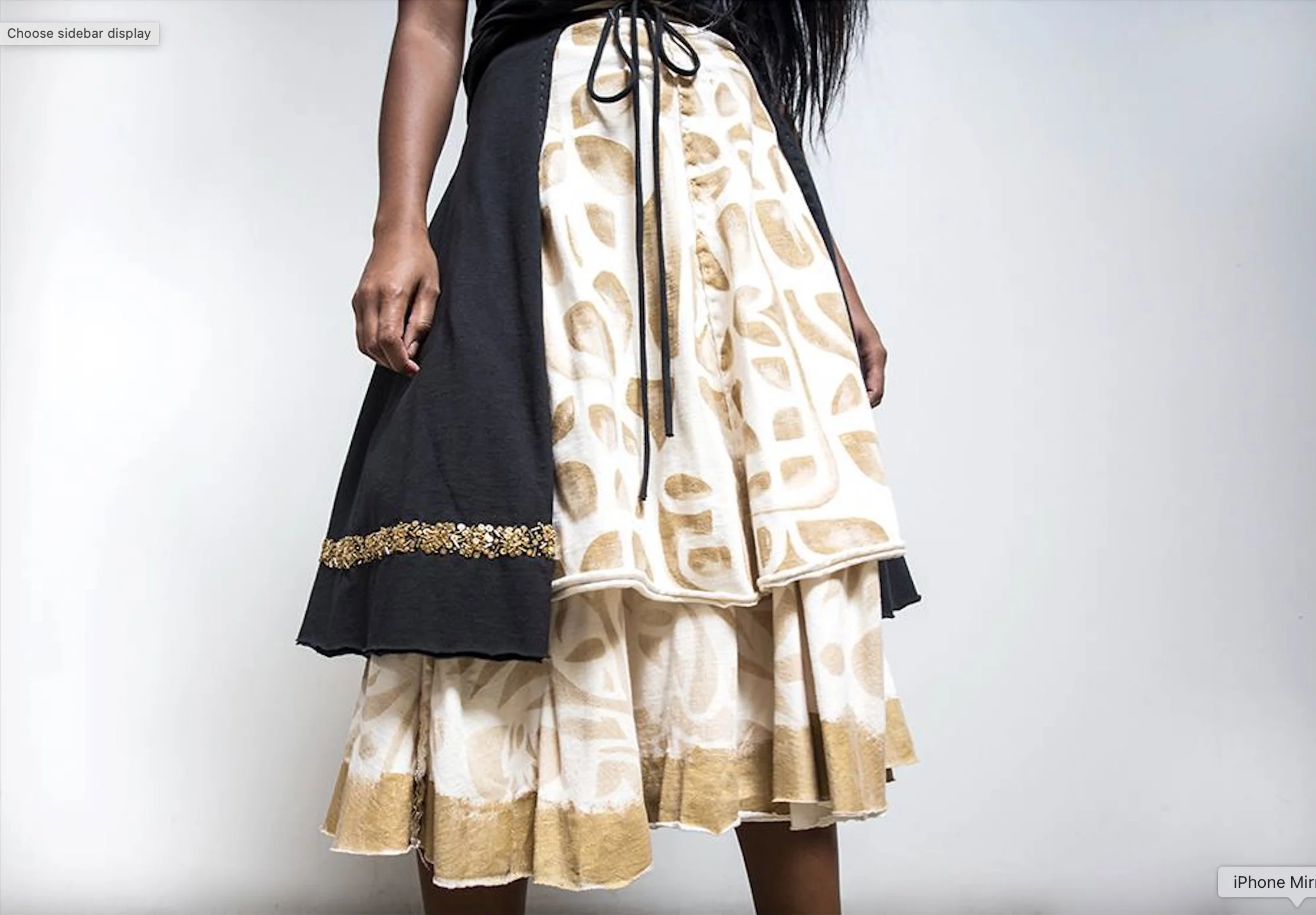
A true embodiment of slow fashion, the main collection is characterised by the hand-crafted nature of the garments and their embellishment, with every single stitch made by hand. Every seam, every hem and every stitch are made by skilled hands that love the thread and love the work. Designs feature reverse applique, a variation on patchwork where the top layer of fabric is cut away to reveal the layer underneath often in a complimentary tone or contrasting colour. Stitched patterns secure the layers together, honouring the hand-made nature of the work by leaving ends and knots visible. Poetic patterns often mimic the undulation of floral vines, blooms and vegetation. Bold blossoms are alternatively cut away and applied on top. Appliqued stripes are augmented with decorative stitches and beaded accents; edges are rolled and raw and sometimes outlined with a stencilled edge. All over patterns create a rich textural landscape that is both sumptuous and humble at the same time. The rich array of stitches is both simple and complex, often no more than a basic running stitch, executed in complex patterns, combined with texture and colour. This is couture, with or without the seal from the chambre in Paris.
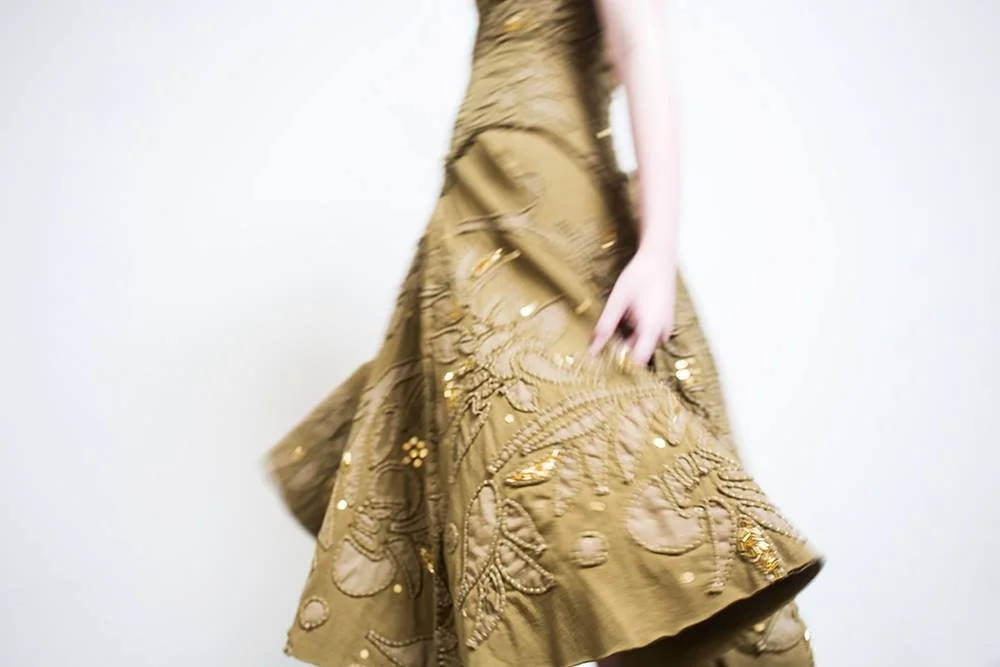
The second most surprising thing about the Alabama Chanin collection is that every single item, season after season, year on year is made from cotton jersey – simple, humble T-shirt fabric – a design challenge that most designers would baulk at, requiring a reliance on design and craftmanship to imbue each collection with its own unique character.
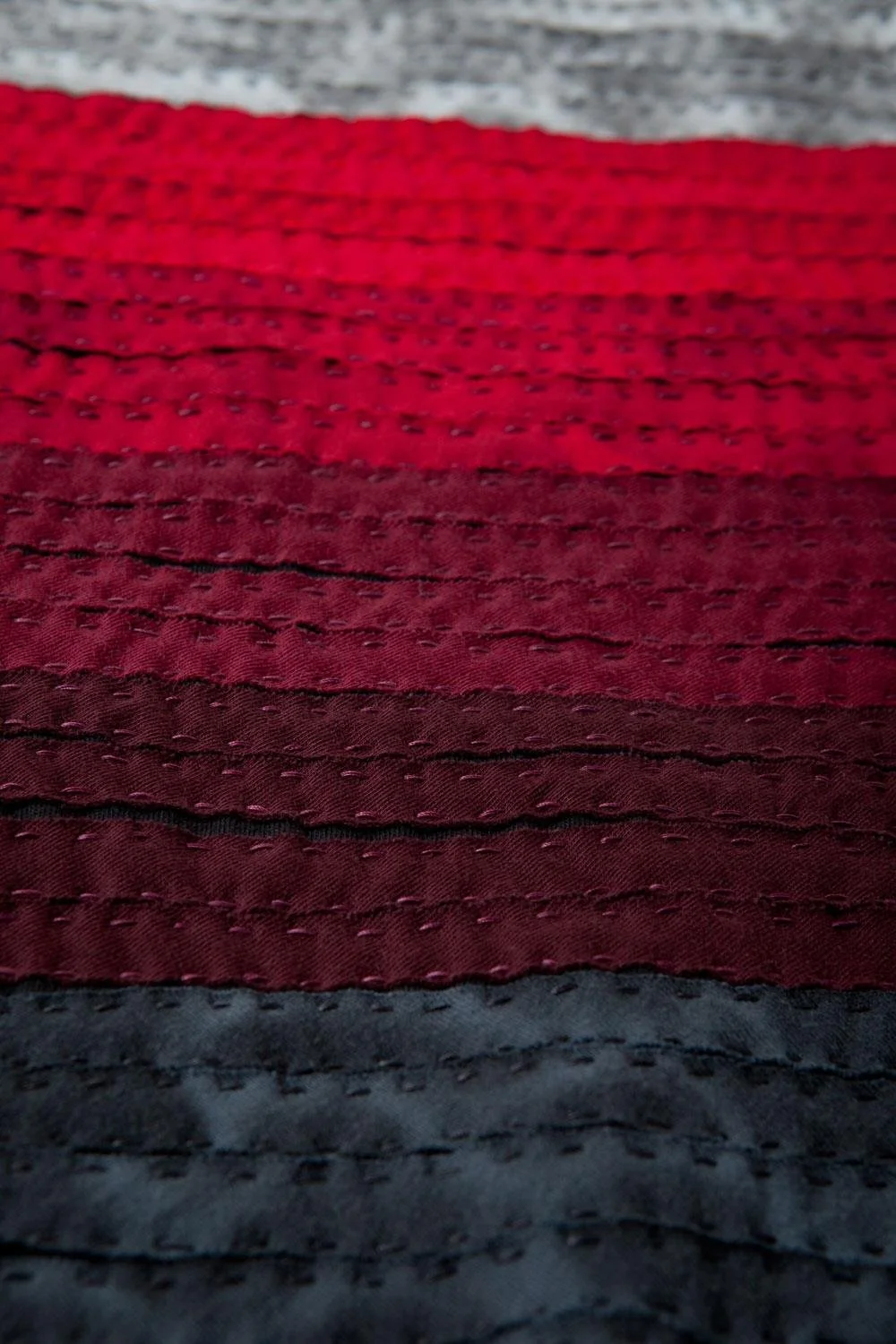
Producing locally has resulted in an entirely traceable supply chain, with every step undertaken in Florence Alabama or as close as possible to. Certified organic cotton is tracked from field-to fabric through a barcode system that is applied to each bale, meaning every finished garment can be traced all the way back to the farm. Cotton is ginned in Texas, then transported for spinning into yarn in North Carolina. The spun yarn is knitted into fabric by a fourth-generation family owned and operated mill in South Carolina. Dying uses low impact cold water processes then the fabric is shipped to Florence Alabama where it is used to create new products.
The premium collection is inevitably expensive leading to some criticism for being elitist, something too many slow fashion brands have had to contend with. Fast fashion has done sustainable design a real disservice by miseducated an entire generation about the real cost of fashion, resulting in brands that don’t take advantage of people and planet appearing expensive. Natalie rightly justifies the price of the premium collection as due to being made from domestic, organic cotton that is custom-dyed, hand cut, painted, sewn and embellished entirely by hand in America by skilled artisans that are paid a living wage.
“While none of us is getting rich, at least in terms of our bank accounts, we are, indeed, rich in spirit, belief, passion, and friendship. ‘Elitist’ is the antithesis of how the company works”, the values of the founder and by extension the brand.
For those that aspire to the hand-made collection, Chanin produces DIY kits as well as ‘how to’ books, that outline every step in making your own original Alabama Chanin design There is a certain democratic genius that is antithetical to the mainstream industry of sharing your sourcing, your patterns and even your artisanal techniques with others, but Chanin’s series of books have become hugely popular with crafters around the world as well as aspirational customers who just want to own a piece of collection without the associated and necessary price tag. It is a perfect example of the brands core values of sustainability, fashion, craft, and DIY.

There are two main lines, the handmade, hand-crafted premium collection and the factory made, both using the same materials but produced through different processes with widely differing amounts of hand embellishment. The factory-made line wasn’t established until 2013 and is produced from a small 14-machine manufacturing unit. Production uses lean methodology, a more considered, skill-based means of producing garments than the usual factory piece work process. It is characterised by small groupings of workers often arranged in a circle instead of in lines, with each maker learning every step of the process, rather than one simplistic repetitive task, instead producing one piece at a time, made to order. Much of the hand work is done by artisans in the surrounding communities of northern Alabama and southern Tennessee, capitalising on the long tradition of quilting circles in the south where women created beauty from love, labour and scraps of fabric.
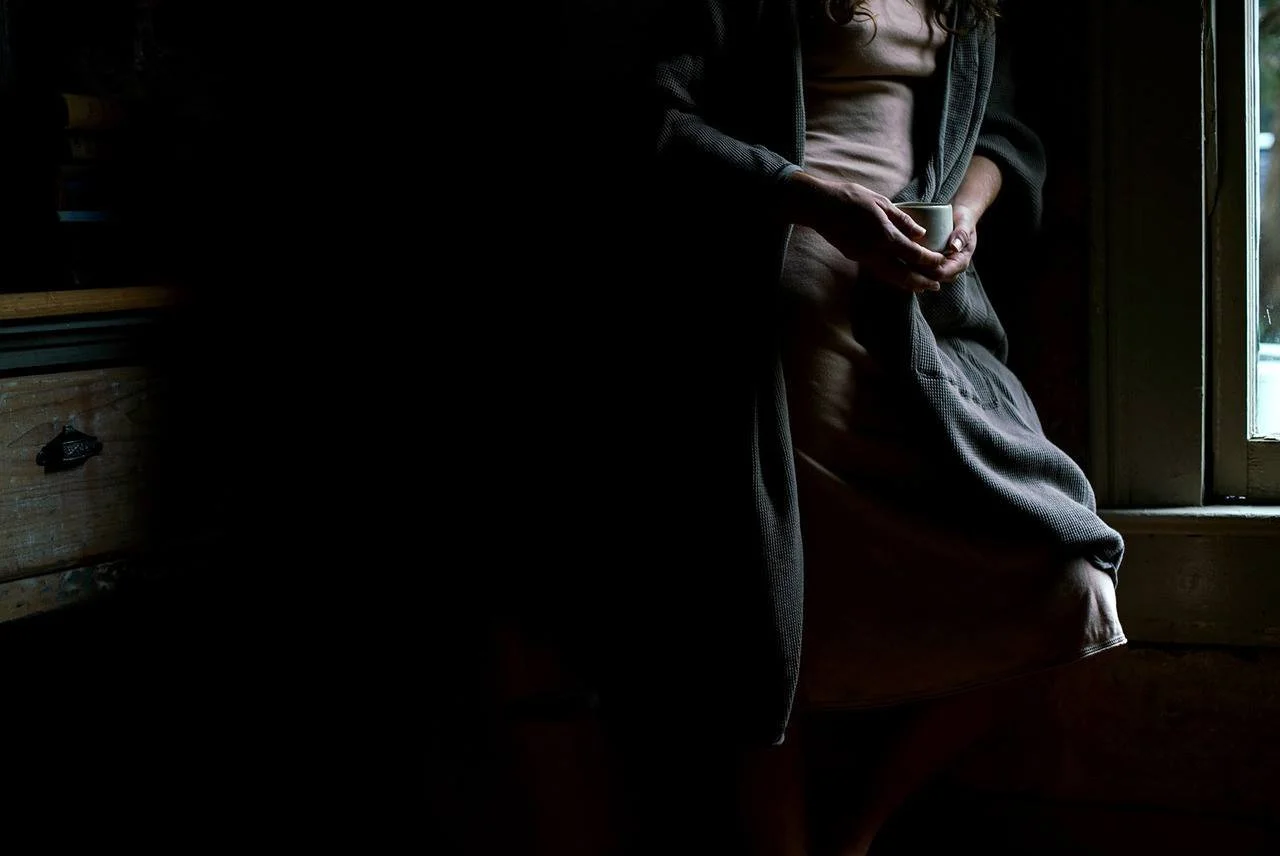
Cotton has been at the heart of Alabama Chanin for over two decades. First in the form of recycled cotton T-shirts, and now in partnership with Texas farmers and North Carolina converters providing a seed-to-shelf U.S. made organic product. The cotton plant is deeply rooted in the complicated history of the region. It shapes and inspires the work and informs the future of the brand.

It has a long and complex history in the south, incorporating industrial innovation as well as the transatlantic slave trade. The growth of the cotton industry relied entirely on exploitation, from the millions of enslaved Africans forced to grow and pick the cotton, to the mill workers and their children, in mill towns across the US, who kept the machines running.
The cotton gin was invented in the US, resulting in the development of mill towns, whose entire population relied on the growth and processing of the fibre. Mill towns were a way of life for millions of Americans in the south, until they weren’t. Entire communities relied on employment in the cotton mill. They lived in cramped and poor conditions, and worked long hours for poor pay, which too often resulted in lung disease and lost limbs, despite the vital role they played in the transformation of the Southern economy all the way up to the 1970s. Mills owners often owned every aspect of their life, using schools, church and what little leisure facilities they provided to prepare the next generation for work. Nevertheless, the sense of community and shared hardship of life created unbreakable bonds, that rae still missed by some to this day.
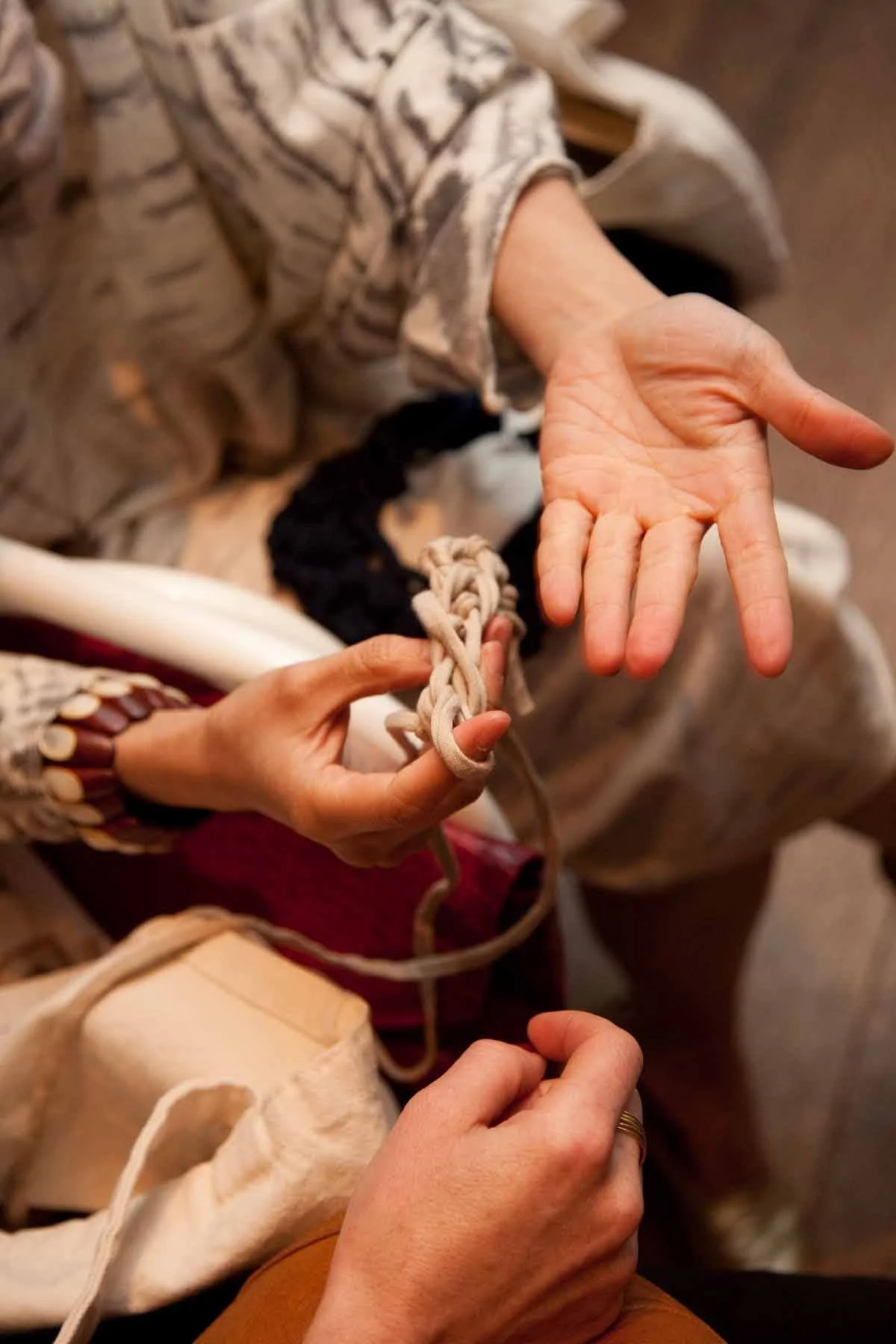
Alabama Chanin is actually a trilogy of complimentary entities: Alabama Chanin the brand that produces handmade clothing by skilled artisans; Project Threadways, a 501c3 not-for-profit created to document, study and interpret the history, community and power of the region through the lens of fashion and textiles; and the School of Making, that hosts workshops, conversations and experiences that explore craft through the act of making.
Project Threadways is the 501(c)(3) that guides and supports the programs and seeks to understand the impact of textiles on local communities, the American south, the nation, and the world. They house a collection of oral history interviews that feature the voices of cotton farmers, factory workers, machine operators, and artisan sewers in northwest Alabama, documenting and preserving the stories of the people who built the local textile industry.
“Project Threadway’s mission is to push against … larger capitalist forces, and insist on dignity of work, insist on importance of place, insist on human beings as significant even within these global supply chains.”

Celebrating twenty-six years in the industry, Natalie recently wrote in the Southern Cultures Journal “While quietly sourcing domestically, creating local jobs, paying fair wages, and celebrating craft may have sufficed twenty years ago, today’s broken industry requires a more radical approach. It requires teaching craft skills to broad audiences so that they do not disappear from our global lexicon. It requires preserving the cultural heritage of an industry that shaped the place where we live, and so many other places around the world. It requires examining and atoning for the ways that peoples and the land have historically been exploited. It requires the urgent shift from a global fast-fashion industry to mission-driven businesses, collectives, and nonprofits like ours that seek to create a new path forward. It requires a new model. At stake are the past, present and future of how we make – and the consequences for people and planet.”
Natalie’s work continues to inspire new generations by example, proving that ethical fashion is not only possible but necessary if we wish to sustain our industry, ourselves and our community.

For more information about Natalie’s work:
Website: https://alabamachanin.com/
Facebook: https://www.facebook.com/VisitAlabamaChanin
Twitter: https://x.com/alabamachanin
